


Riesling Wine: A Complete Guide to This Popular German Wine

A comprehensive guide to Riesling that explores its styles, regions, food pairings, and buying tips, helping readers confidently choose the best Riesling wines when shopping online or in-store.
Highlights:
- Learn how types of Riesling wine range from crisp dry Rieslings to age-worthy sweet styles shaped by Germany, Alsace, Australia, and the U.S.
- Explore what makes Riesling white wine so expressive, from its acidity and aromas to its unmatched ability to reflect terroir.
- Get expert advice on how to find and buy Riesling wine online, including what to look for when selecting the best Riesling wines for your palate.
------------
Riesling ranks among the world’s most expressive aromatic white grapes. It delivers everything from bone-dry bottlings to opulent, late-harvest sweetness, yet it keeps its identity through piercing acidity and aromatic detail. Today, winemakers across Europe, North America, Australia, and New Zealand grow Riesling, but German Riesling wine still shapes expectations for the variety. Its precision and longevity encourage collectors while its range of styles attracts both newcomers and experienced drinkers.
Riesling’s reputation rests on its ability to transmit place (a.k.a. terroir). Steep slopes, slate soils, and river valley climates create distinct profiles in each region. That sense of origin makes Riesling a favorite among sommeliers who want a white wine that can handle diverse foods. It also means anyone searching for the best Riesling wines will find many options with strong regional character and impressive quality.
What Makes Riesling White Wine Distinct?
Riesling grapes ripen slowly. They maintain acidity even in warm vintages, which allows winemakers to play with sweetness levels without sacrificing balance. Aromas of lime, peach, apricot, jasmine, and petrol (a natural characteristic called TDN that emerges with age) appear across regions. In cooler zones—Germany’s Mosel or Washington State’s higher elevations—Riesling shows citrus, green apple, and white flowers. Warmer sites produce more stone-fruit richness.
Because the grape performs well in varying climates, producers craft many types of Riesling wine. Instead of a single flavor profile, Riesling offers a spectrum shaped by residual sugar, alcohol level, and vineyard exposure. That versatility helps explain why it remains one of the world’s most food-friendly white wines.
Germany: The Classic Home of Riesling
Although Riesling thrives globally, Germany shaped the variety’s historical and stylistic development. Records show Riesling cultivation along the Rhine as early as the 15th century. Over time, the country’s wine regions refined a hierarchy of vineyard sites, allowing top slopes to command attention for their structure and aging potential.
German classification terms help consumers understand sweetness levels. “Trocken” indicates dry Riesling white wine; “halbtrocken” means off-dry. In recent decades, German producers increased their focus on dry Rieslings, particularly in the Pfalz, Nahe, and Rheingau regions. These wines show mineral tension and citrus-driven precision that appeals to modern drinkers who prefer leaner styles.
The Mosel, perhaps Riesling’s most iconic region, continues to excel with off-dry and sweet expressions. Long, cool growing seasons and slate soils yield delicate wines with remarkable energy. These bottles age for decades, gaining honeyed complexity while retaining freshness.
Riesling Around the World
Beyond Germany, Riesling has found strong footholds in Alsace, Austria, Australia’s Clare and Eden Valleys, and the United States.
Alsace produces structured, dry versions with weight and spice. Austria, especially the Wachau and Kamptal, offers firm, mineral profiles that benefit from time in bottle. In Australia, producers embraced dry styles decades ago; Clare Valley Riesling tastes like lime zest and river stones, while Eden Valley bottlings lean toward lemon and white flowers.
The United States now makes Riesling in several states, though Washington remains the leader. Columbia Valley wines span a wide range from vibrant and dry to citrus-sweet, but all retain the grape’s signature acidity. The Finger Lakes region in New York has gained international attention for racy, mineral-driven bottlings shaped by deep glacial lakes and cool nights.
Dry Rieslings vs. Sweet Styles
Many shoppers still associate Riesling with sweetness. While German Prädikat-level bottlings (Kabinett, Spätlese, Auslese, Beerenauslese, and beyond) include sweet styles, global production leans toward dry wines. Today, both casual consumers and wine professionals explore dry Rieslings for their intense clarity, low alcohol, and compatibility with a wide range of foods.
Also Read: Sweet Wines versus Dry Wines: What’s the Difference?
Sweet Rieslings deserve just as much attention. Balanced sweetness offers relief when pairing spicy foods like Sichuan cuisine or Thai dishes. Classic sweet wines from Germany and Austria also stand among the longest-lived whites in the world; high acidity and sugar ensure stability, letting aromas unfurl through decades of aging.

How to Choose the Right Type of Riesling
Because Riesling spans such a wide stylistic range, choosing the right bottle depends on sweetness preference and the intended meal. Dry bottles pair well with seafood, grilled vegetables, and lighter meats. Off-dry options complement dishes with heat, salt, or richer sauces. Sweet wines shine with desserts, blue cheeses, or foie gras.

Regional cues help guide choices. If you prefer austerity and minerality, try German “trocken” bottlings, Austrian Wachau wines, or Australian Clare Valley selections. For delicacy and gentle sweetness when you buy wine online, explore the Mosel, Nahe, Finger Lakes, or Washington. Alsatian Rieslings work for those who want more texture and weight.
Whether you hope to explore globally or stay within classic regions, the variety’s flexibility ensures you will encounter something memorable.
Buying Riesling Online
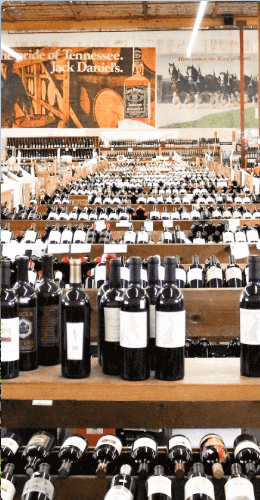
Riesling’s variety and value make it ideal for online shoppers. Retailers now list extensive selections from Germany, Austria, Australia, France, and the United States, allowing you to compare styles and vintages with ease. Bottle Barn counts among the best Riesling stores online! If you want to buy Riesling wine online, look for shops like Bottle Barn that provide detailed tasting notes and specify sweetness levels. This helps ensure you find bottles suited to personal preferences.
When shopping, consider producers with strong reputations for quality and transparency. Many of the best Riesling wines come from estates that focus on sustainable farming, low-intervention practices, and traditional harvesting methods. Riesling responds to careful viticulture; healthy vineyards yield fruit that can express the nuances of steep slopes and mineral-rich soils.
Five Recommended Riesling Bottles

1. The 2022 Trimbach Riesling delivers laser-focused energy, weaving citrus, pear, and white-peach notes into a dry, precise frame that reflects the estate’s classic style. Its lively acidity and subtle structural grip create a wine that feels almost weightless yet finishes with quiet authority.
Buy 2022 Trimbach Riesling: $24.99

2. The 2023 Rieslingfreak No. 2 Polish Hill River Riesling channels Clare Valley precision, delivering a perfumed rush of citrus, jasmine, and orchard blossom wrapped around a dry, mineral-driven core. Its firm structure and vivid acidity balance ripe stone-fruit depth, promising a graceful evolution for anyone patient enough to cellar it.
Buy 2023 Rieslingfreak No. 2 Polish Hill River Riesling- $19.99

3. The 2022 Robert Weil Rheingau Riesling Spätlese delivers lush stone-fruit depth and vibrant citrus wrapped in the estate's hallmark clarity, balancing sweetness with racy, mouthwatering acidity. Its mineral spine and late-harvest richness create a Spätlese that feels both indulgent and lifted, offering immediate charm and the structure to age for years.
Buy 2022 Robert Weil Rheingau Riesling Spatlese - $42.99

4. The 2021 Ridgecrest Vineyards Ribbon Ridge Estate Reserve Riesling layers ripe peach, baked apple, and subtle petrol notes over a taut, slate-driven core, giving the wine both warmth and precision. Its lively acidity and long, citrus-edged finish highlight a structure built for aging, even as the wine already offers generous texture and aromatic charm.
Buy 2021 Ridgecrest Vineyards Ribbon Ridge Estate Reserve - $33.99

5. The 2021 Hillick & Hobbs Estate Dry Riesling fuses crystalline Finger Lakes acidity with layers of pear, citrus, and tropical fruit, shaped by a sleek, mineral-driven frame. Its refined texture and long, stony finish reveal impressive finesse, offering both immediate pleasure and the promise of graceful aging.
Buy 2021 Hillick & Hobbs Estate Dry Riesling - $31.99
In sum, Riesling remains one of the wine world’s most compelling paradoxes: simple to enjoy yet complex to study. It thrives across continents, adapts to stylistic trends, and rewards patient cellaring. Its acidity provides structure; its aromatics deliver immediate pleasure. Whether you prefer dry bottlings, delicate sweetness, or bold late-harvest opulence, Riesling offers a style suited to every palate.
If you plan to buy Riesling wine online, take advantage of the grape’s diversity. Exploring different types of Riesling wine at Bottle Barn—from crisp Australian bottles to age-worthy German Riesling wine—reveals why enthusiasts continue to champion this expressive, ever-evolving variety.
Related Blogs:
Riesling vs Moscato: Know the Difference
Latest posts



Leave a comment